As COP31 turns to human and social development, Tara Norton, Senior Director at LRQA, argues that whether the energy transition is fair will be decided in the supply chains of renewable energy.
One of the most closely watched questions in Antalya is whether governments will agree how to build a ‘just transition mechanism’: in other words, a new way for countries to share support, expertise and technical help so the shift to a low-carbon economy is fair to the workers and communities it affects.
Governments committed to developing it at COP30 in Belém, and hundreds of trade unions, community groups and campaigners are pressing for Antalya to set out how it will work. That matters. But so far, the just transition debate has focused mostly on people moving away from fossil fuels: coal miners, oil and gas workers, and the regions that depend on them.
That is important but only half the picture. Renewable energy already employs more than 16 million people worldwide, according to IRENA and the ILO, and many more work further up in the supply chain, mining the minerals and making the components that clean energy runs on. If the transition is to be just, it has to be fair to them too. Companies across the energy sector need to treat those workers’ conditions as part of their own responsibility.
Energy supply chains require due diligence
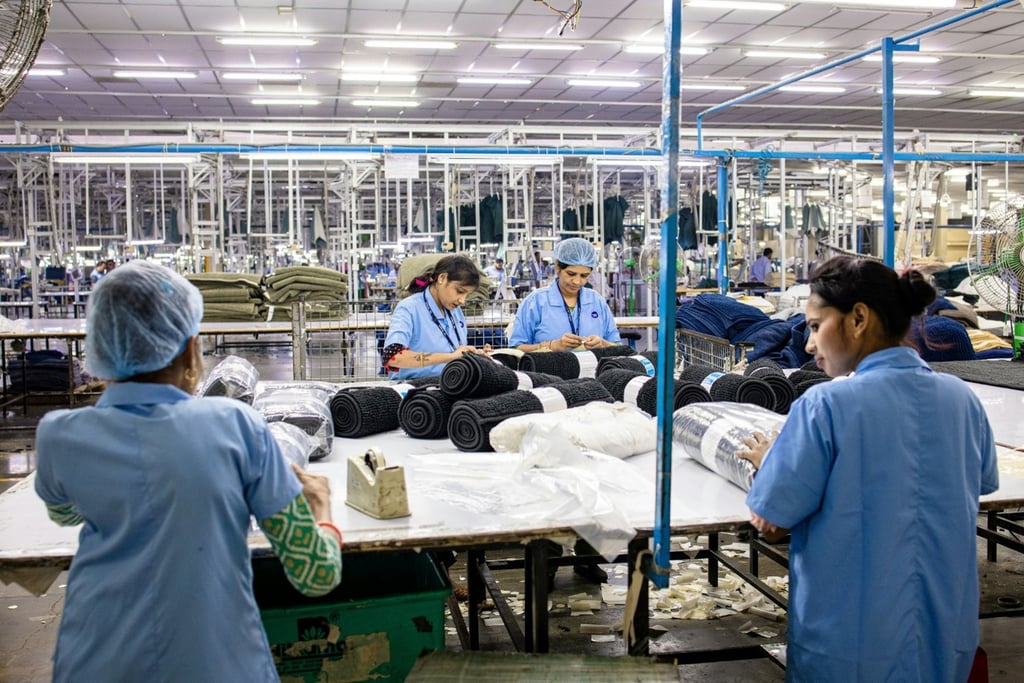
Every solar panel, battery and wind turbine depends on a long chain of suppliers. Minerals are mined, processed and manufactured into components, often across several countries, before a finished product reaches a project site.
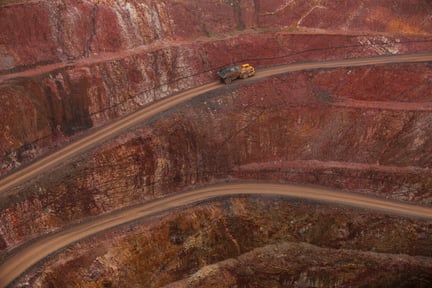
At each of those stages, there are people whose working conditions are being shaped by the transition. Some of these supply chains carry well-documented risks, from unsafe working conditions in mining to concerns about forced labour in manufacturing. As in any sector, the biggest challenges are upstream, away from public view.
What is changing is the stakes. Regulation and public opinion mean companies now face legal, financial and reputational exposure for what happens in their supply chain, and a clean energy project built on exploited labour is unlikely to be seen as a climate success for long. Companies must ensure their due diligence processes are effective to address the risk where it is likely to be found.
Regulation and reputation
While some rules on supply chain due diligence have been scaled back – such as the EU’s Corporate Sustainability Due Diligence Directive that will now apply only to the very largest companies, and not until July 2029, there is other regulation that keeps the pressure on. The EU Forced Labor Regulation will ban the entry of components and products made with forced labour from December 2027, and the supply chain due diligence requirements in the EU Batteries Regulation are due to apply from August 2027.
In addition, customers, investors and workers still expect companies to know who is in their supply chains and how people who have a role in making their products are treated, whether a law requires it or not.
What good looks like
In our work on responsible sourcing, a few principles make the biggest difference. None of these ideas are new; these principles are tried and tested across many industries, and the energy sector can put them to work now.
- First, take a risk-based approach. This means engaging not only with direct suppliers, but considering where in the supply chain the biggest risks lie. The most serious risks often sit several tiers upstream, away from direct suppliers, for example at the mines that supply the cobalt, lithium and nickel in batteries, or the plants that refine polysilicon for solar panels.
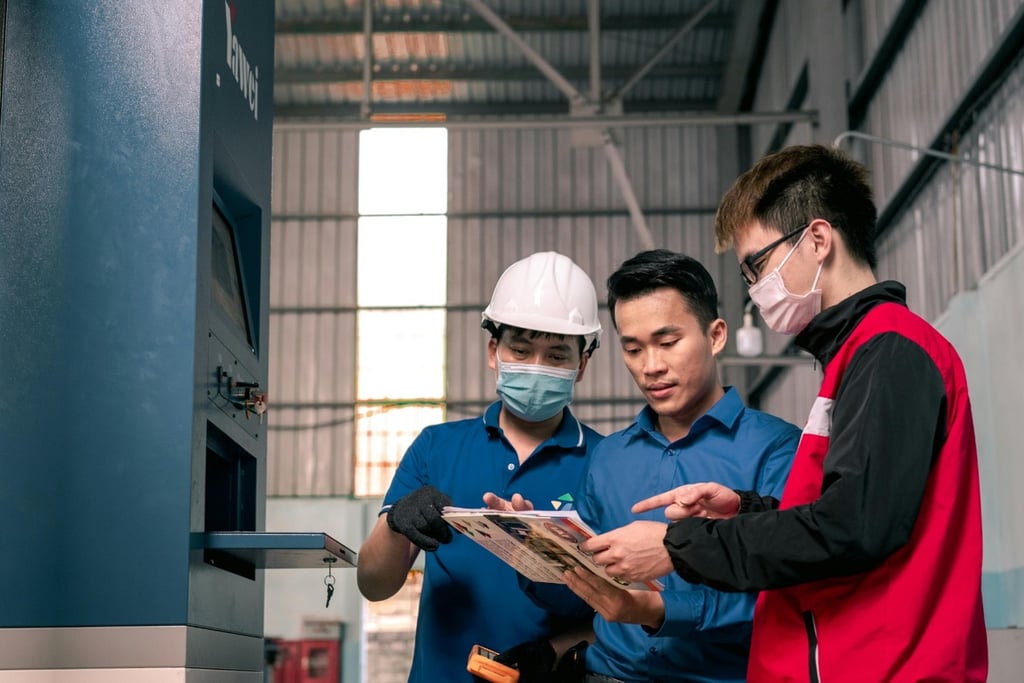
- Second, listen to workers. Audits are essential, but they are most effective when combined with safe, direct ways for workers to raise concerns, such as grievance mechanisms. In addition to providing workers with access to remedy, these give companies a first-hand view of workers’ experience, help them make sense of data coming from other sources, and understand if their expectations are being met.
- Third, bring climate and social data together. Many companies track emissions and human rights risks in separate teams and systems. Yet both often relate to the same operational sites and suppliers, and social and environmental risks are connected.
Heat is a clear example: the ILO estimates that more than 70% of the world’s workforce is likely to be exposed to excessive heat at some point in their work. Where climate pressures are building, risks to workers often follow, so environmental data can be a good indicator of social risks. - And finally, verify. Commitments to fair labour practices need the same independent checking as climate claims, so that buyers and the public can trust them. In renewable energy supply chains, that means independent assessments at the highest-risk sites and testing whether traceability claims hold up.
A transition that lasts
Whatever is agreed in Antalya, a fair transition will depend in large part on the supply chains of renewable energies. A just transition cannot protect some workers while overlooking those who make the technologies we are moving to, however uncomfortable those risks may be to confront.
The encouraging news is that many industries have paved the way for good practices, and we have seen many renewable energy projects that assess the human rights and labour risks as they help us advance towards a low carbon future. Businesses that know their supply chains, and that listen and respond to workers, will help build clean energy that people can trust and that lasts.