A new standard is gaining momentum across the global rail sector, and for good reason.
The rail industry has long operated within a complex web of quality and safety requirements. For years, the IRIS standard served as the benchmark for many organisations. But a significant shift is underway. ISO 22163 is rapidly becoming the standard of choice for rail businesses worldwide, and the reasons go far beyond a simple update to existing requirements.
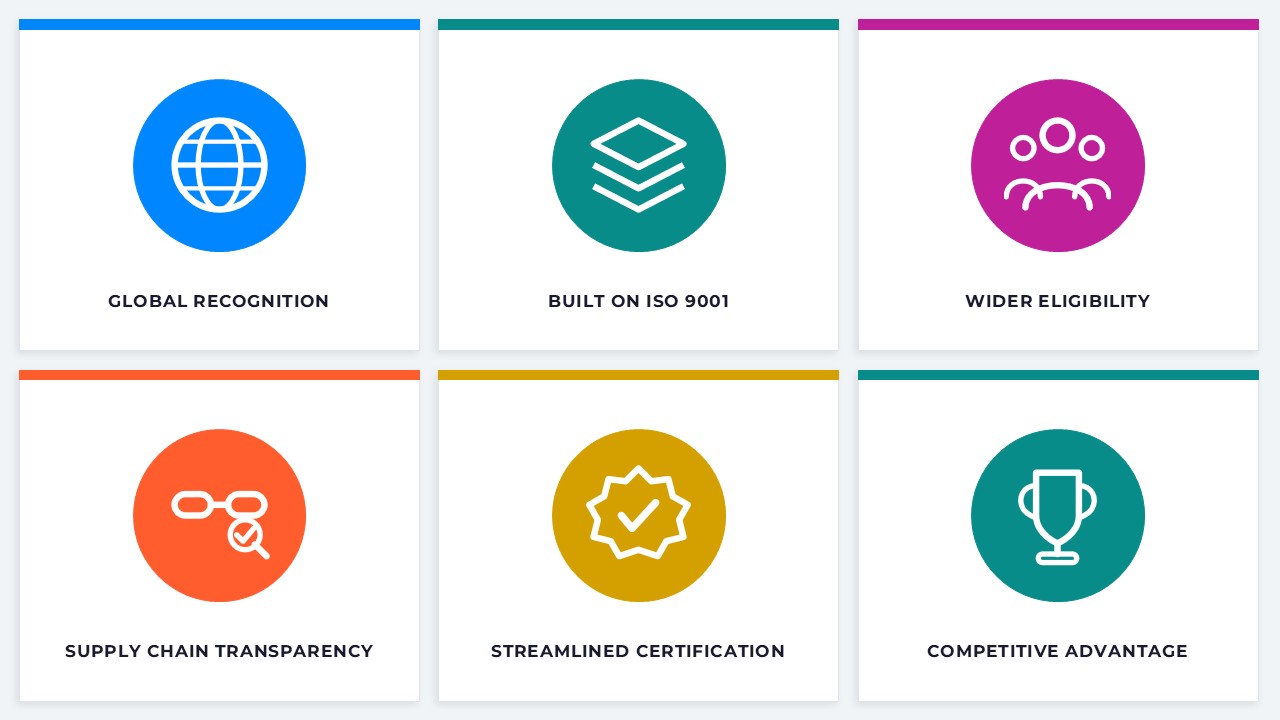
Six reasons the rail industry is adopting ISO 22163
From private standard to global recognition
The most fundamental change is one of credibility. Unlike IRIS, ISO 22163 is a full ISO standard. That distinction matters enormously. It places rail quality management on the same internationally recognised footing as ISO 9001, a standard trusted by organisations across virtually every industry on the planet.
For rail businesses operating across borders, or looking to expand into new markets, this global recognition is transformative. Certification against ISO 22163 carries weight in procurement decisions, tenders and supply chain evaluations in a way that a private industry standard simply cannot match.
Built on familiar foundations
One of the most compelling aspects of ISO 22163 is what it builds upon. The standard adopts the ISO High-Level Structure (HLS) and retains the clause framework of ISO 9001:2015, covering Context, Leadership, Planning, Support, Operation, Performance Evaluation, and Improvement.
For organisations already certified to ISO 9001 or other ISO management systems, this alignment dramatically reduces the complexity of adoption. Integration becomes more straightforward, terminology is harmonised, and the risk-based thinking embedded in modern ISO standards is carried through consistently. Rather than managing parallel systems with conflicting structures, businesses can work within a single, coherent framework.
Wider eligibility, clearer expectations
ISO 22163 also broadens the scope of who can be certified. Beyond traditional manufacturers, the standard now explicitly extends eligibility to maintenance providers, distributors, turnkey providers, and testing and tools suppliers. The standard itself states that all requirements are generic and intended to apply to any organisation, regardless of product type, including those delivering rolling stock.
This expansion reflects the reality of how modern rail supply chains operate. Quality and safety do not begin and end at the point of manufacture; they run across the entire ecosystem, and ISO 22163 recognises that.
Alongside wider eligibility, the standard introduces more clearly defined KPI performance requirements and mandatory monitoring obligations. This creates greater transparency throughout the supply chain, more consistent supplier comparability, and more reliable audit outcomes, without the administrative burden that characterised earlier iterations of the standard.
A more efficient path to certification
For organisations considering certification, the process itself has also improved significantly. ISO 22163 certification through LRQA offers simplified planning, streamlined audit procedures, and a more accessible technical review and certification workflow.
Compared with the IRIS audit process, the benefits in terms of time, resources and accessibility are clear.
Competitive advantage in a demanding Market
Ultimately, ISO 22163 certification is increasingly becoming a marker of credibility and competitiveness in rail. Organisations that achieve it gain more robust, internationally accepted proof of their quality and safety capabilities, improving their market position and strengthening their standing in tenders and procurement processes.
The rail industry's move toward ISO 22163 is not simply about keeping pace with a changing standard. It is about aligning with a framework that reflects how global supply chains actually work, reduces unnecessary complexity, and delivers clearer, more comparable evidence of performance.
For organisations operating in rail, the question is no longer whether to consider ISO 22163. It is how soon.
If you’re considering ISO 22163 certification, speak with LRQA to understand how we can support your journey.